Chronic Pain Support in Newport Beach
Pain Shouldn't Define Your Life.
Chronic pain isn't just a signal — it's a cycle. Inflammation triggers pain, pain triggers tension, tension restricts blood flow, and restricted blood flow perpetuates inflammation. Our PEMF, Red Light, and HBOT protocol breaks the cycle at every point.
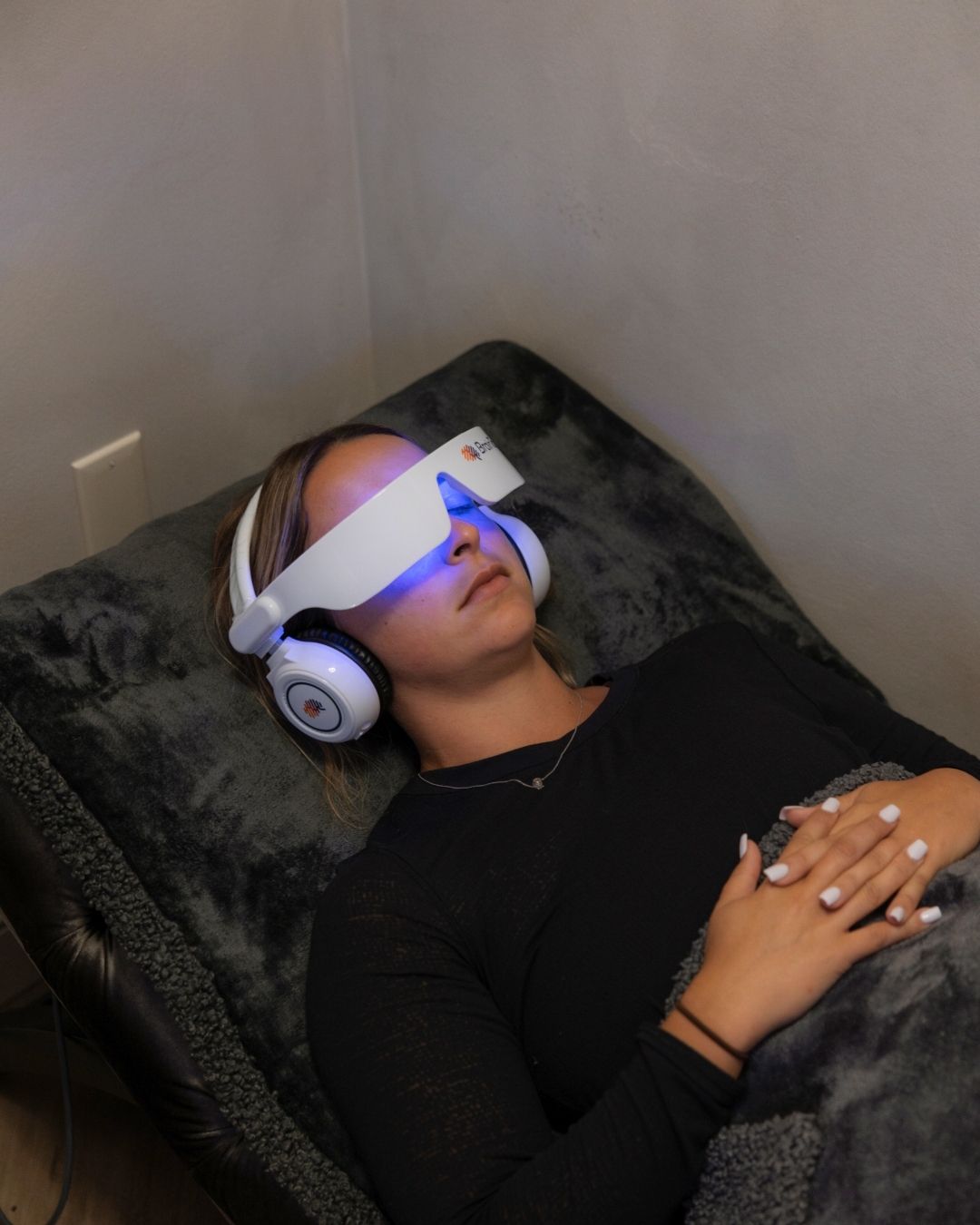
Understanding Chronic Pain Support
Why Chronic Pain Persists
Chronic pain is fundamentally different from acute pain. Acute pain is a signal that something is wrong — you touch a hot stove, you feel the burn, you pull your hand away. Chronic pain is a signal that's gotten stuck. The original injury may have healed, but the pain persists because the nervous system has become sensitized, the local tissue remains chronically inflamed, and the biological repair processes have stalled.
Years of chronic pain rewire the nervous system itself. Pain pathways become reinforced. Cortisol stays elevated. Sleep suffers. And without quality sleep, your body can't complete the repair cycles that would resolve the underlying issue. It's a self-perpetuating loop that medications mask but rarely break.
The standard approach — NSAIDs, muscle relaxants, cortisone shots — manages symptoms without addressing the cellular dysfunction driving them. And long-term NSAID use actually damages the gut lining, creating a whole new cascade of inflammation through the gut-brain axis.
How Culture OC Supports Pain Recovery
Our team approaches chronic pain support by organizing the non-pharmaceutical services Culture OC provides directly.
The Cell 2N PEMF device is the cornerstone. Unlike low-intensity PEMF mats, the Cell 2N delivers high-intensity electromagnetic pulses targeted at the area of concern. Red Light Therapy adds near-infrared wavelengths, while HBOT provides a controlled oxygen-rich environment for clients whose licensed medical providers have cleared them to participate.
These services are designed to complement — not replace — evaluation and treatment from qualified medical professionals. Culture OC does not advise clients to stop medication or substitute wellness services for medical care.
The Chronic Pain Protocol
A multi-modality pain support stack that breaks the inflammation-pain-tension cycle by targeting cellular repair, circulation, and nervous system regulation.
PEMF Therapy (Cell 2N)
High-intensity targeted electromagnetic pulses at the pain site. Stimulates osteoblast activity for bone healing, activates adenosine A2A receptors to reduce inflammation, and increases microvascular flow by up to 30% for enhanced nutrient delivery.
Red Light Therapy
LightStim LED Bed with near-infrared wavelengths penetrating deep into muscle and joint tissue. Clinical studies show up to 60% pain reduction for tendinopathy. Increases ATP production for cellular repair at the pain site.
Hyperbaric Oxygen Therapy
60-minute sessions at 2.0 ATA for deep-seated pain conditions. Floods damaged tissue with dissolved oxygen, accelerating repair processes that have stalled. Reduces systemic inflammation and supports regeneration.
Frequency
PEMF 2-3x per week. Red Light 2-3x per week. HBOT 2x per week for complex cases.
Timeline
Many clients report pain reduction within the first 3-5 sessions. Significant improvement typically builds over 4-8 weeks as tissue repair compounds. Sleep quality often improves early, which accelerates overall recovery.
What to Expect
Our team will evaluate your pain history, current medications (including NSAIDs), imaging results if available, and previous treatments to design a targeted protocol.
Cell 2N PEMF sessions are painless — you'll feel a pulsing sensation at the targeted area. Some clients feel immediate relief; for others, the benefit builds over multiple sessions.
Sleep quality often improves before pain levels fully decrease. Better sleep means better repair cycles, which accelerates the overall recovery trajectory.
Red Light Therapy sessions are deeply relaxing. The warmth from the LightStim bed combined with near-infrared penetration creates a soothing experience while delivering therapeutic energy to damaged tissue.
Pain reduction is often not linear — you may have good days and harder days during the first 2-3 weeks as inflammation patterns shift. Consistent sessions are key to building lasting improvement.
If medication has been part of your pain-management plan, discuss any changes with the licensed clinician who prescribed or recommended it. Culture OC will coordinate wellness sessions around that medical guidance.
Ten years of lower back pain. After a month of PEMF and red light, I'm finally sleeping through the night.
— Tom H., Irvine
Frequently Asked Questions
Ready to Start Your Recovery?
Tell our team what you’re dealing with. We’ll design a custom chronic pain support recovery protocol.
Start with the Vitality ResetOr call (949) 751-1027